
Last reviewed: June 2026 · Written by the Kratom Factory team in Putussibau.
Every buyer who has sourced for a few seasons knows the trap: the lowest kratom wholesale price on the table is often the one that ends up costing the most. A quote is not a single figure. It is a stack of real costs, a set of assumptions about volume and freight, and a margin structure that changes depending on how many hands the leaf passes through before it reaches you. Read a quote as one number and you cannot compare suppliers at all. Read it as a structure and the differences become obvious. This guide breaks down what goes into the kratom price per kg, why producer-direct sourcing changes the arithmetic, and what to look for when two quotes look nothing alike.
Why bulk kratom pricing is opaque
Kratom pricing feels deliberately hard to pin down, and to a degree it is. There is no published commodity index, no exchange, no reference contract the way there is for coffee or cocoa. Two quotes for the same vein can differ widely and both be honest, because they are built on different origins, different processing, different testing depth and different logistics assumptions. That variance is the reason quotes are given per enquiry rather than posted on a page.
It also explains why so much of the market runs through intermediaries. When a buyer cannot easily see the true cost of production, a broker or aggregator can sit in the middle, buy at one figure and sell at another, and the spread is invisible. The opacity is not an accident of the trade; for a lot of sellers it is the business model. Understanding the underlying cost stack is how you take that advantage back.
What actually goes into the price (the cost stack)
Strip a legitimate kratom wholesale price down to its components and you find the same layers every time. None of these is optional for a serious supplier. When a quote is unusually low, it usually means one of them has been cut, and that cut has consequences you inherit downstream.
Cultivation and labour
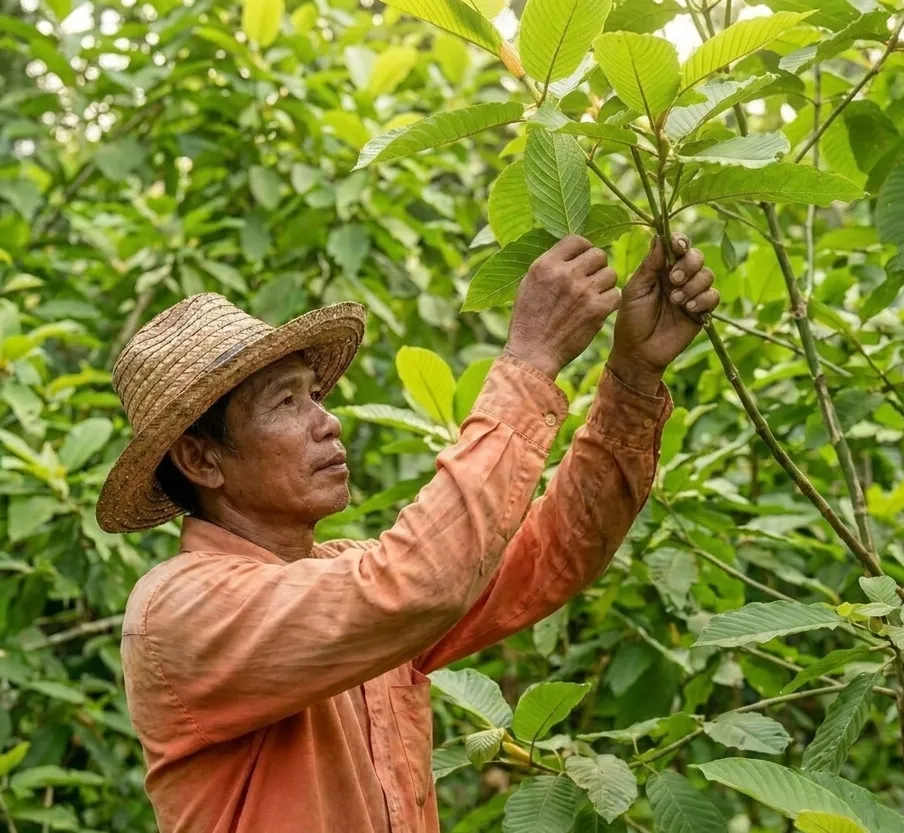
It starts in the field. Mature Mitragyna speciosa leaf has to be selected, harvested and carried out of cultivation areas that are often remote. That is skilled, seasonal, weather-dependent labour, and it is the foundation of everything above it. Leaf bought cheaply from whoever is closest is cheaper for a reason, and the reason shows up later on a certificate of analysis.
Drying and milling
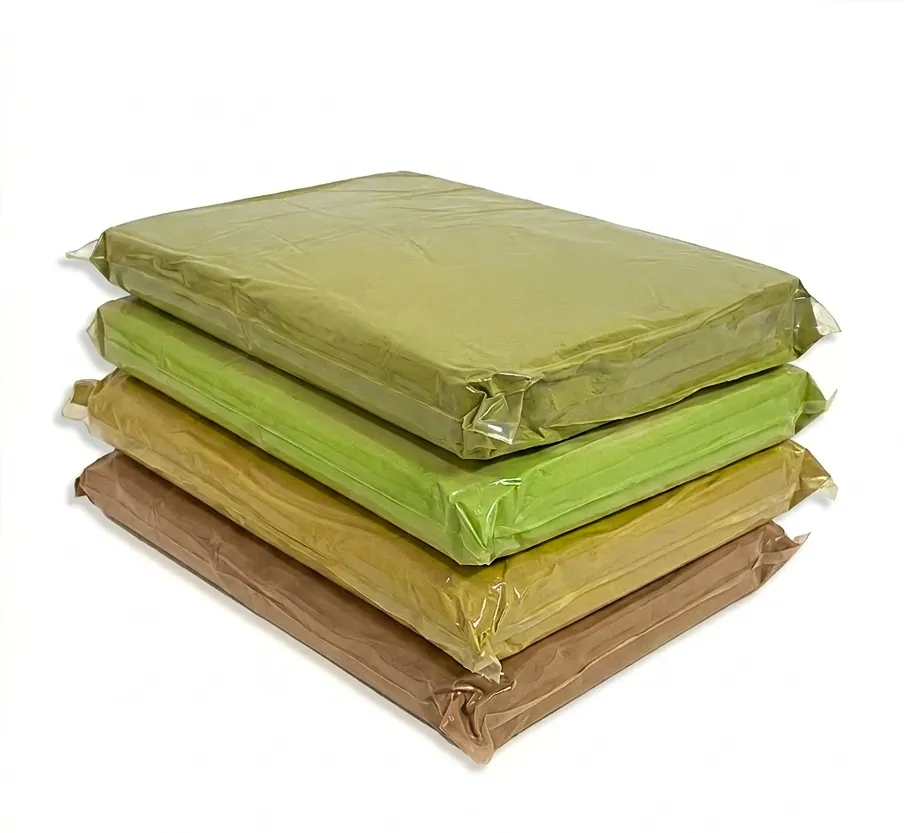
Raw leaf is mostly water. Turning it into stable, shippable powder means controlled drying and milling, which requires a facility, energy, floor space and people who know how to hold a vein profile batch to batch. A producer who dries on raised racks in a managed environment carries a real cost here. One who dries leaf on the ground carries almost none, and passes the risk to you.
Lab testing
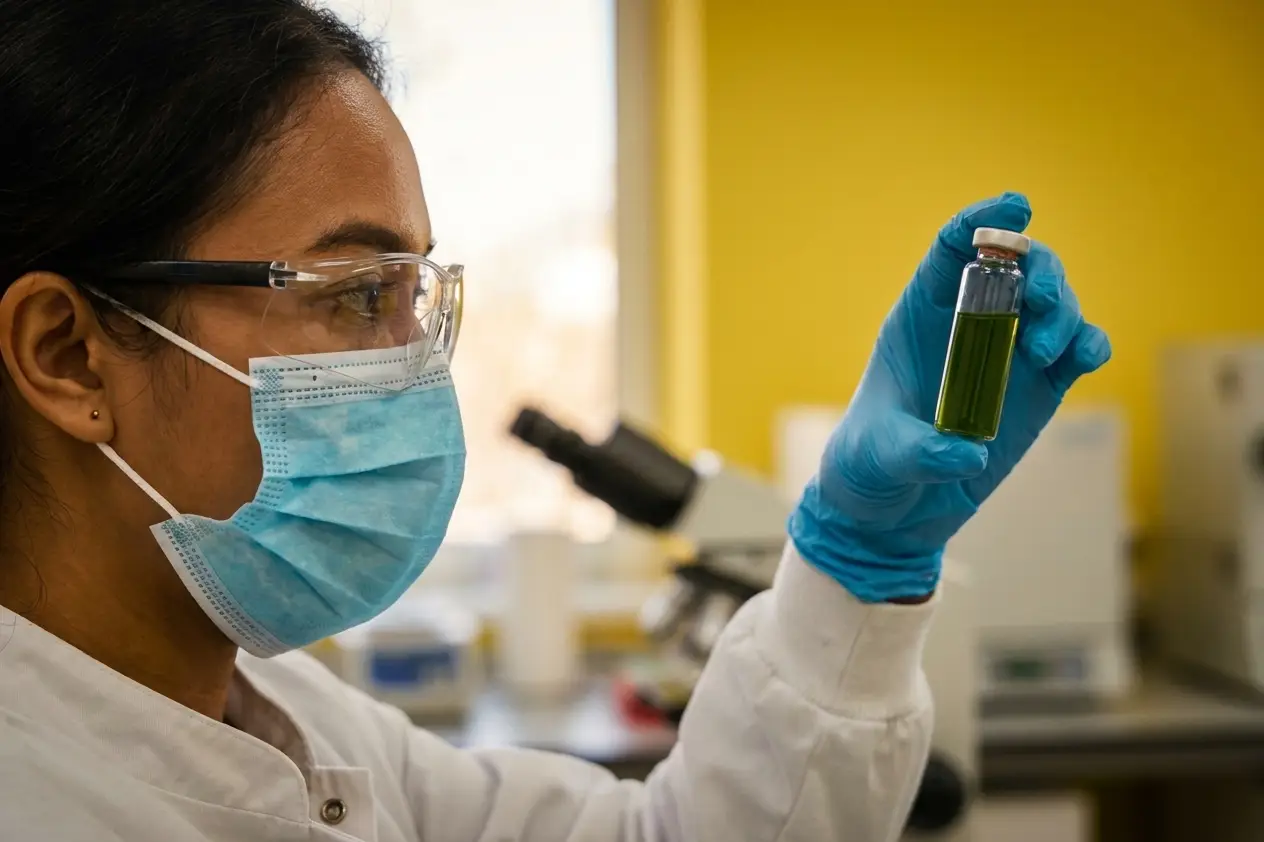
Proper testing is a line item, not a courtesy. Screening each lot for heavy metals, microbiology and alkaloid content costs money and time, and doing it per batch rather than recycling one old PDF costs more. A supplier who prices in genuine, per-lot testing will look pricier than one who does not, right up until your own QA rejects the untested batch on arrival. If you are not sure what real testing looks like on paper, our guide to reading a kratom COA walks through it.
Export documentation and compliance
Getting a botanical out of Indonesia and into the EU cleanly means correct paperwork: the export documents, the botanical framing, the customs classification and the labelling norms a European buyer expects. A supplier fluent in this bakes the cost of doing it properly into the quote. A trader-exporter guessing at it quotes lower and leaves you to sort out the shipment when it stalls at the border.
Freight and handling
Finally, the goods have to move. Packing, inland transport to port, the freight leg itself, insurance and destination handling all sit inside the delivered price, and the size of that layer depends heavily on the mode and the Incoterms, which we come back to below.
The point of the stack
A credible quote reflects all of these layers. When one supplier is dramatically cheaper than another for the same vein and volume, assume a layer has been removed rather than that they have found magic. Then ask which one, and who absorbs the risk of it being missing.
How producer-direct changes the maths
The single largest difference between two kratom wholesale prices is usually not the leaf. It is the number of markups stacked on top of it. In a typical chain, leaf moves from a farmer to a collector, from a collector to an aggregator, from an aggregator to an exporting trader, and each of those parties adds a margin and a handling cost before it ever reaches an importer. Every hand takes a cut, and every cut is added to your price.
Buying producer-direct removes those middle layers. When cultivation, drying, milling, testing and export sit with one accountable party, there is no broker spread and no aggregator markup to fund. The cost stack is still there, but you are paying it once, at source, instead of paying it several times as it is marked up along the chain. That is the core of the producer-versus-broker question, which we cover in depth in producer or broker, what buying direct changes.
There is a quality dimension to this too, not only a price one. Fewer hands means fewer points where lots get blended, re-bagged or swapped, which is where traceability and consistency quietly erode. Producer-direct is not simply a cheaper route. It is a shorter, more accountable one, and the two tend to travel together. It is also why the way you choose a kratom wholesale supplier matters more than chasing the lowest line on a spreadsheet.
The cheapest leaf in the region, marked up four times, is not a cheap shipment. It is an expensive one wearing a low headline number.
How volume tiers work (concept, no numbers)
Wholesale pricing moves in tiers, and the logic is the same across the trade even though the figures are always quote-specific. The larger and firmer your commitment, the lower your effective cost per unit, because the fixed costs behind an order spread across more goods.
Think about what does not change with order size. A lab test covers a lot whether that lot is small or large. Export documentation takes similar effort either way. A freight container costs roughly what it costs whether it ships full or half full. When those fixed costs are divided across a bigger, committed volume, the share carried by each unit falls. That is the entire mechanism behind a volume tier: not a discount handed out for goodwill, but arithmetic on fixed costs.
This is also why a serious supplier will ask about your expected volume and cadence before quoting. A one-off trial order and a standing quarterly commitment genuinely sit at different points on the cost curve, and a quote that ignores the difference is either padding the small order or guessing at the large one. A good structure lets you start at a sensible entry threshold and move down the curve as your commitment grows, rather than forcing tonnes on day one.
Reading a tier honestly
Ask a supplier to show how the per-unit cost changes as volume rises, and to explain what drives the step. If they can point to fixed costs spreading across more goods, the tier is real. If the steps look arbitrary, you are looking at margin management dressed up as a discount.
Freight and Incoterms: FOB vs DAP
Two quotes can be built on the same leaf and the same margins and still look completely different, purely because of how freight is handled and where responsibility changes hands. This is where a lot of buyers get caught, so it is worth being precise.
Sea versus air
Freight mode is a straight trade-off between cost and speed. Sea freight is the economical way to move bulk kratom when you have planned ahead and can wait for a container to make the journey. Air freight is far quicker and correspondingly more expensive, and it exists for the times when speed matters more than the freight bill: a stock-out, a launch, an urgent top-up. Neither is right in the abstract. The right choice depends on how much lead time you have, which is why planning your order cadence directly affects what you pay. Our guide to importing kratom into the EU covers the freight and customs side in more detail.
What FOB and DAP actually mean for your price
Incoterms decide which costs are inside a quoted figure and which land on you afterwards. Under FOB (Free On Board), the supplier gets the goods to the port of origin and loaded; from there the freight, insurance, import clearance and destination handling are yours to arrange and pay. Under DAP (Delivered At Place), the supplier carries the goods all the way to your named destination, so far more of the logistics sits inside the number they quote.
The trap is obvious once you see it: an FOB quote will almost always look lower than a DAP quote for the same goods, because it simply contains less. Comparing an FOB figure from one supplier against a DAP figure from another tells you nothing useful. You are comparing a partial price to a fuller one. Always establish the Incoterm before you compare, and price the missing legs yourself if you need to level the field.
| Aspect | FOB (Free On Board) | DAP (Delivered At Place) |
|---|---|---|
| Supplier covers | Goods to origin port, loaded | Goods to your named destination |
| You arrange | Main freight, insurance, import clearance, delivery | Mainly import clearance and final steps |
| Headline number | Looks lower, contains less | Looks higher, contains more |
| Best when | You have your own freight forwarder | You want a single delivered figure |

Why the cheapest quote can cost the most
Here is the arithmetic that beginners miss and experienced buyers respect. The real cost of a batch is not what you paid for it. It is what you paid, divided by the amount you can actually sell. A batch that fails inspection on arrival has an effective cost that is not low. It is infinite, because you cannot use it.
A quote that undercuts the market usually got there by cutting a layer of the stack, and the layer cut first is almost always testing or drying discipline. That is precisely where contamination hides: heavy metals from soil, microbiological load from ground drying, mould from uncovered leaf caught by the rain. The saving looks real on the purchase order and evaporates the moment your QA runs a panel and rejects the lot. If you have ever had to explain a failed batch to your own customers, you know it is a cost that dwarfs the difference you thought you were saving. The economics of that failure are exactly what a proper COA is meant to protect you from.
The failed-batch maths
A cheaper price on a batch you can sell in full beats a much cheaper price on a batch you have to destroy. Factor in rejection risk, disposal, delay and the damage to your own reputation, and the lowest quote is frequently the most expensive decision on the table.
How to read and compare a quote
Put two quotes side by side and level them before you judge the numbers. A fair comparison holds these constant:
- Same Incoterm. Compare FOB to FOB or DAP to DAP, never one against the other. If they differ, price the missing legs before you decide.
- Same volume and commitment. A trial order and a standing commitment sit at different tiers. Make sure both quotes assume the same thing.
- Same testing depth. Ask whether the price includes per-lot testing across heavy metals, microbiology and alkaloids, or none. This single line explains a lot of the gap.
- Same origin and processing. Single-origin, facility-dried leaf is not the same product as blended collector leaf, even under the same vein name.
- The number of hands. Ask directly whether you are buying from the producer or through intermediaries. It tells you how many markups are inside the figure.
Level all five and the cheapest-looking quote often stops being the cheapest. What you are really comparing is not price. It is delivered cost per usable unit, which is the only figure that reaches your margin.
Why we quote on request
We do not publish a kratom price per kg on this site, and the reason is the same one that makes the market opaque in the first place: an honest number depends on your vein, your volume, your Incoterm and your timing, and any figure printed without those is either misleading or padded to cover every case. A quote built to your enquiry is a real one. A number on a page is a guess dressed as a price.
Because we are producer-direct, the quote you receive reflects the actual cost stack once, at source, with no broker spread layered on top. You can see our wholesale terms and the current product range, and when you are ready, tell us the vein, the volume and where it is going, and we will build the number around your order rather than the other way round.
Frequently asked questions
What determines the kratom wholesale price?
A legitimate price reflects a full cost stack: cultivation and labour, controlled drying and milling, per-lot lab testing, export documentation, and freight. On top of that sit any intermediary markups. The fewer hands between the producer and you, the fewer margins are layered into the figure you pay.
Why is producer-direct kratom cheaper than buying through a broker?
In a broker chain, leaf passes through collectors, aggregators and trading exporters, and each adds a margin before it reaches you. Producer-direct removes those middle layers, so you pay the real cost stack once at source instead of paying it repeatedly as it is marked up along the chain.
How do volume tiers work in kratom wholesale?
Fixed costs such as lab testing, export paperwork and a freight container do not change much with order size. When you commit to a larger, firmer volume, those fixed costs spread across more goods, so the effective cost per unit falls. That arithmetic, not goodwill, is what a volume tier reflects.
What is the difference between FOB and DAP pricing?
Under FOB, the supplier delivers goods to the origin port and you arrange freight, insurance and clearance from there. Under DAP, the supplier delivers to your named destination, so more logistics sits inside the quote. An FOB figure looks lower because it contains less, so always compare like for like.
Why can the cheapest kratom quote end up costing the most?
A quote undercuts the market by cutting a layer of the cost stack, usually testing or drying discipline, which is where contamination hides. If the batch then fails your QA on arrival, you cannot sell it, so its effective cost is not low, it is total. A usable batch at a fair price beats a rejected one.
Why do kratom suppliers quote per enquiry instead of publishing prices?
An honest figure depends on vein, volume, Incoterm and timing. A price printed without those is either misleading or padded to cover every case. Quoting per enquiry lets a supplier build the number around your actual order. You can request one through our contact page.
Price is the easiest thing to ask about and the hardest to read. Treat a quote as a structure, not a number, level your comparisons before you judge them, and count the hands between the leaf and your loading dock. Do that and the cheapest headline rarely wins, because the figure that matters is delivered cost per usable unit, and that is where a producer-direct supplier tends to come out ahead.