
Last reviewed: June 2026 · Written by the Kratom Factory team in Putussibau, Kapuas Hulu.
Every bulk kratom buyer is really choosing between two supply chains. One runs from the farm through a chain of collectors, aggregators and re-sellers before it reaches your dock. The other runs from the producer straight to you. Most of the market is the first kind, because middlemen are easy to find and ask for less commitment up front. But the layers between the leaf and your loading dock are not free, and they are not neutral. Each one adds cost, adds distance from the origin, and quietly moves risk onto you. This is what buying kratom direct from the producer actually changes, and, honestly, when a broker is still the right call.
The layers between the leaf and your dock
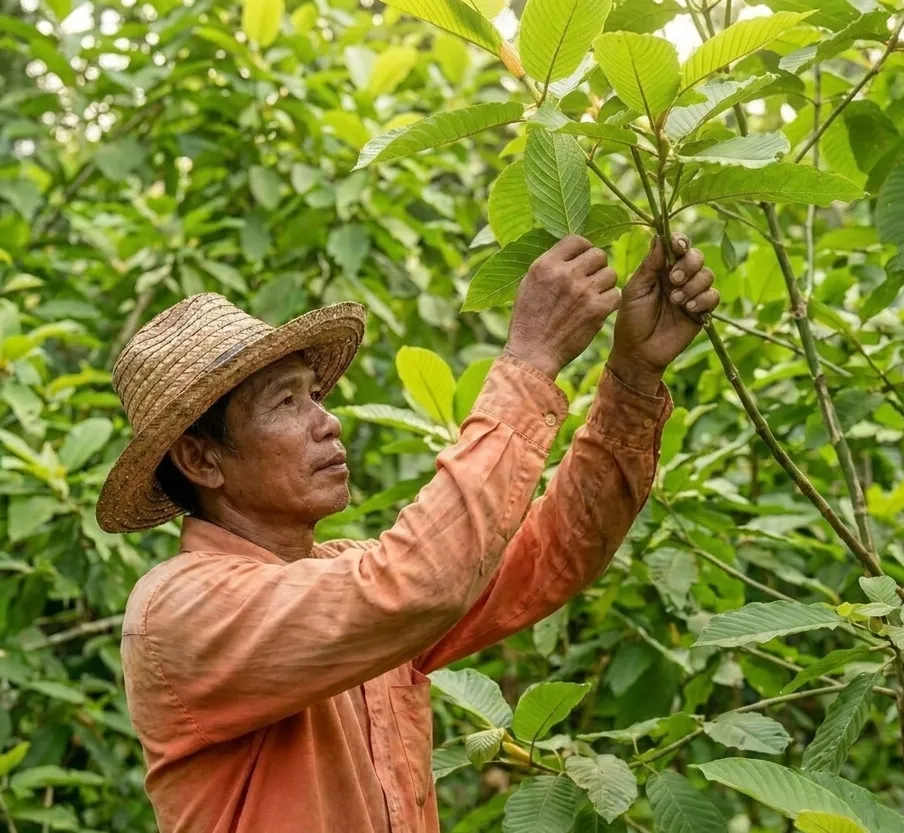
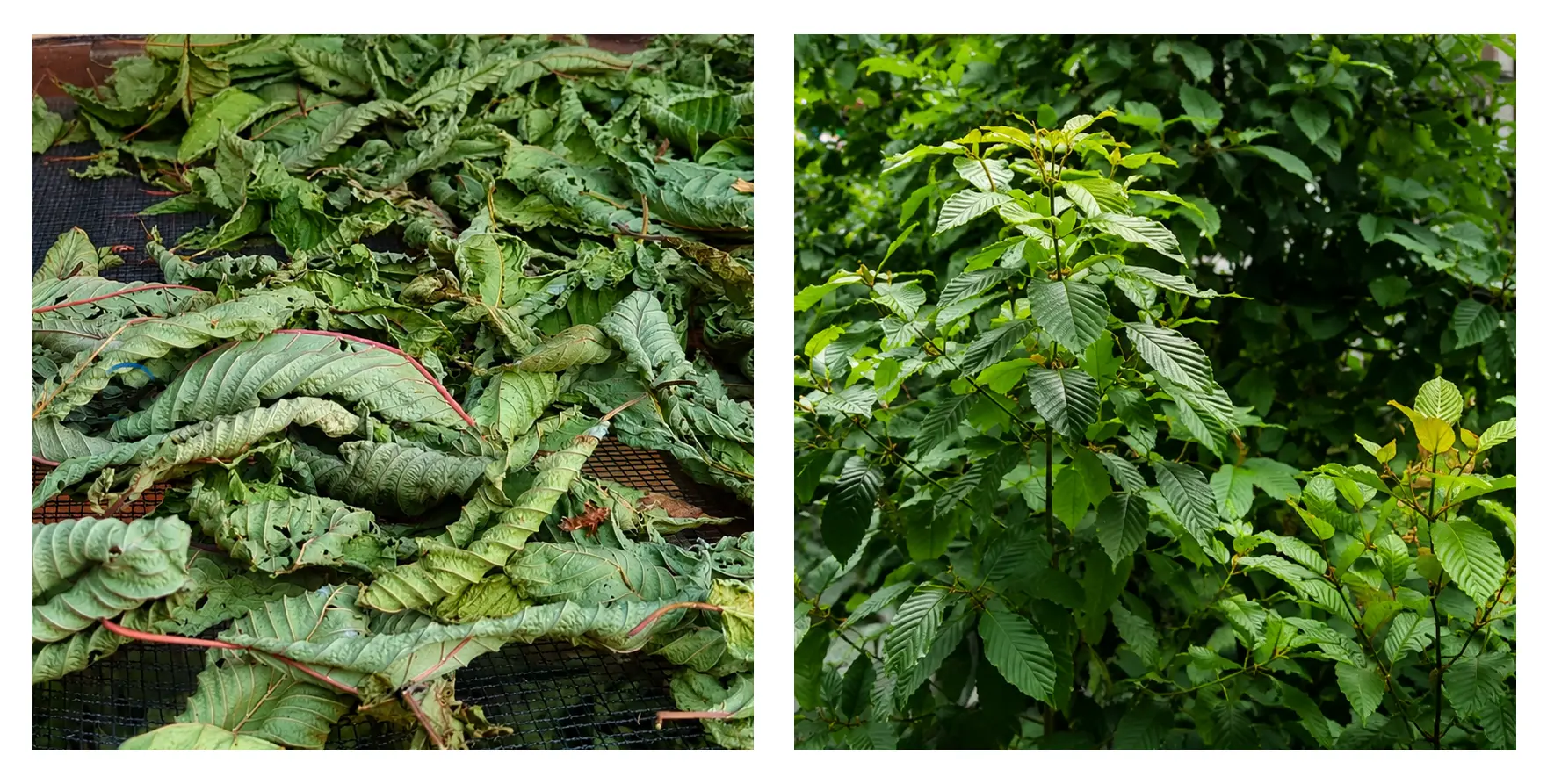
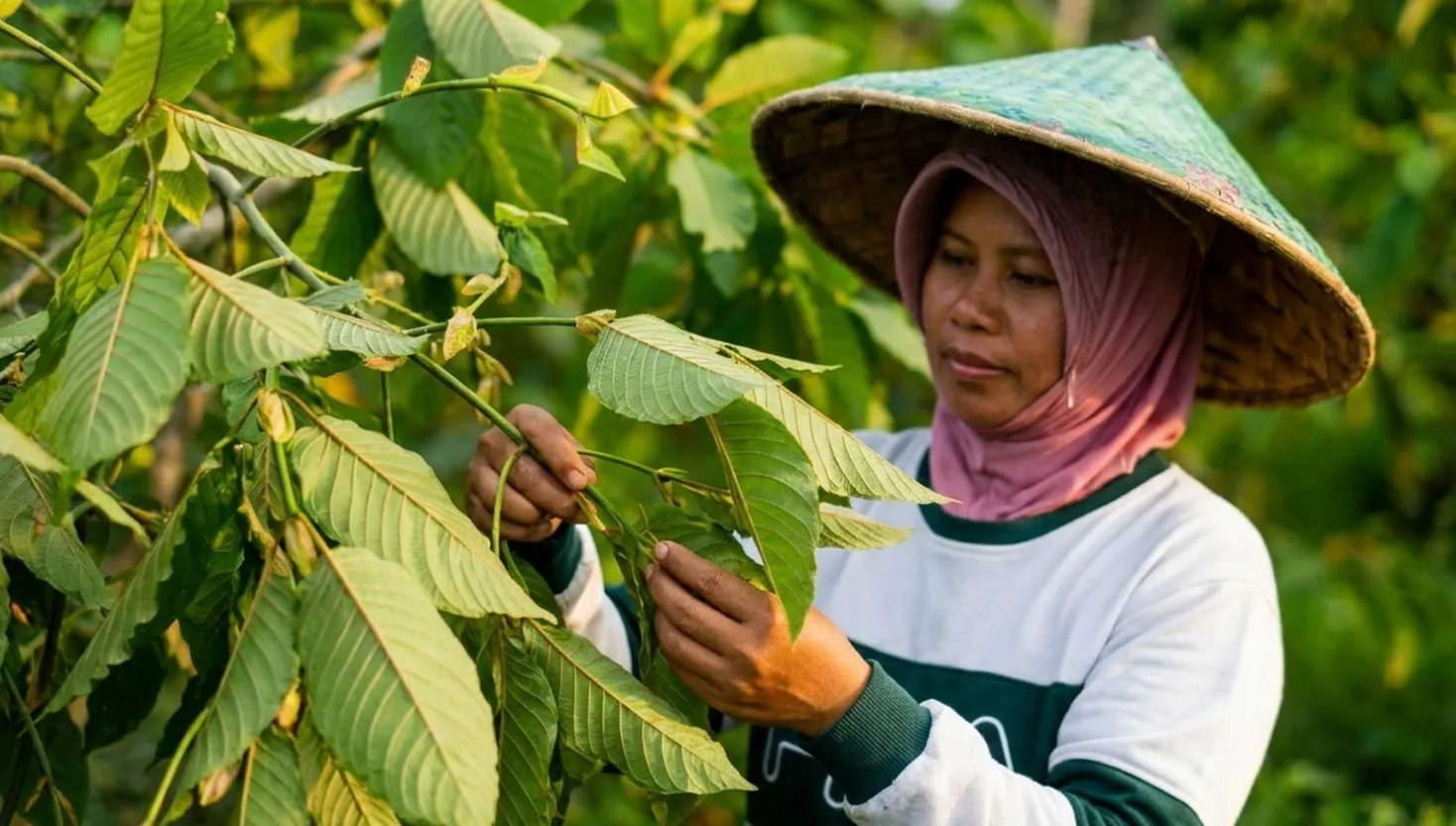
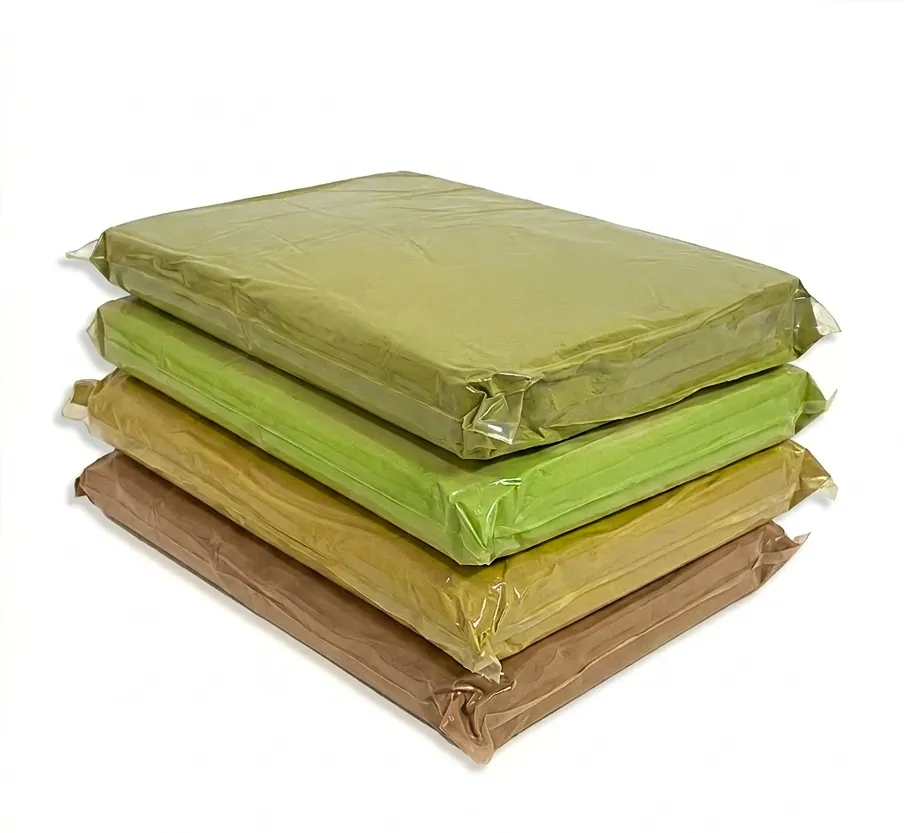
A typical bulk order passes through more hands than most buyers realise. Smallholders sell dried leaf to local collectors. Collectors sell pooled leaf to an aggregator-exporter, who re-mills and re-bags it. That exporter sells to an EU-warehouse wholesaler, who sells to you. Four handovers, and at every one the material is further from the field it grew in and closer to being anonymous. A producer that owns its cultivation, drying, milling and export collapses that whole chain into one step.
What each layer adds to your price
Every party in that chain takes a margin, and those margins stack. You are not paying for kratom four times, but you are paying four businesses to each make their spread on the same kilo. None of that markup improves the product; it just compensates the distance between you and the source. Buying direct removes the broker and aggregator layers, so the spread that would have paid middlemen either stays in your margin or comes off your landed cost. We explain how bulk pricing is built in the wholesale price-structure guide; the short version is that fewer layers means a shorter path for your money.
What each layer subtracts from your control
Price is the visible cost of middlemen. The hidden one is control. Every handover pools and re-bags material, so traceability is lost, consistency drifts as sources change, and accountability is diffused across a chain where no single party owns the outcome. When something goes wrong with an aggregated batch, everyone points somewhere else. When you buy from the producer, there is one party to hold to the result.
| Factor | Producer-direct | Broker / aggregator |
|---|---|---|
| Price path | One margin, at source | Stacked margins per layer |
| Traceability | Batch to farm parcel | Pooled, origin obscured |
| Consistency | Held batch to batch | Drifts as sources change |
| Accountability | One party owns it | Diffused across the chain |
| Custom work | Blends, grinds, exclusives | Rarely possible |
| Communication | Direct with the maker | Through intermediaries |
The risk nobody prices into a broker quote
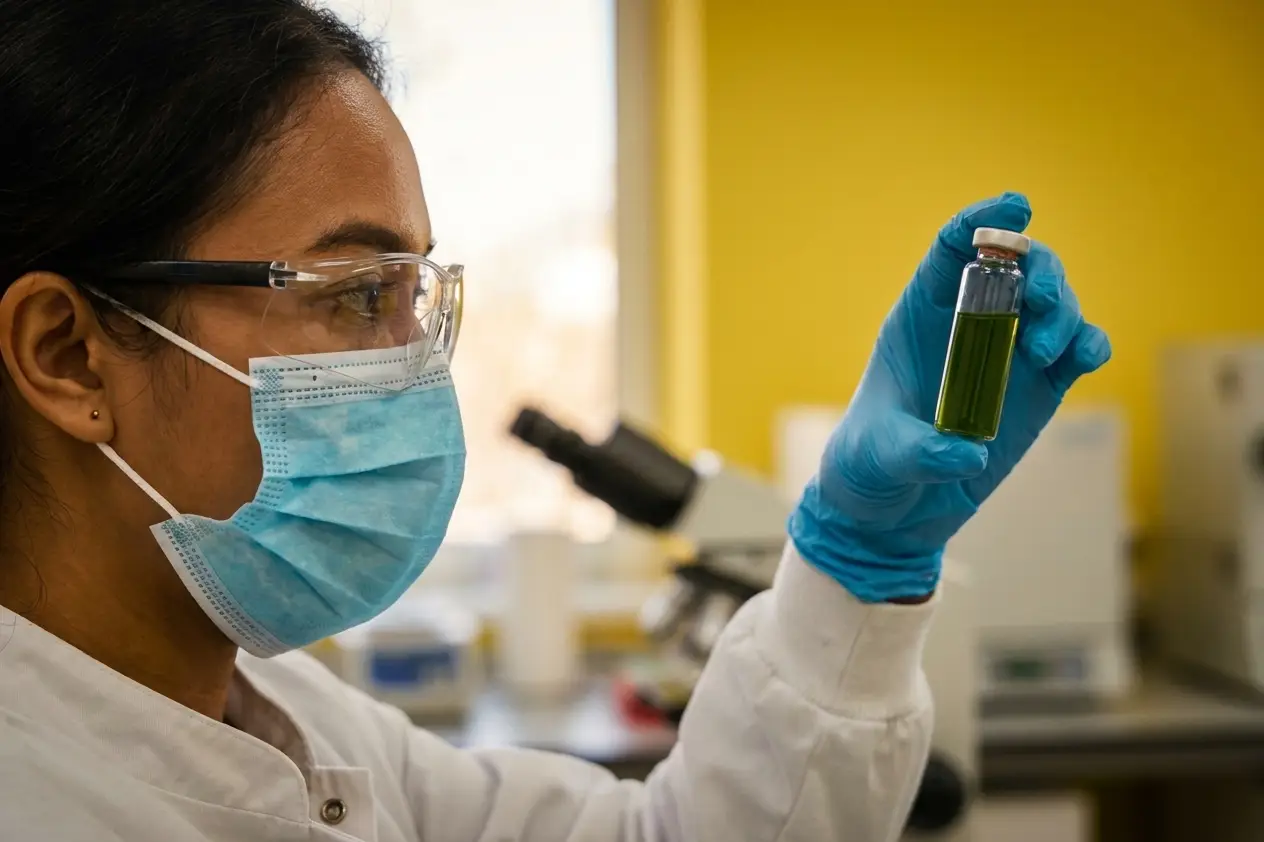
The trader field has well-documented failure points, and they land on the buyer. Recycled or generic certificates of analysis are common enough that a COA often means one old PDF rather than the batch in the boxes; our guide to reading a COA covers how to spot that. Adulteration, blending cheaper non-kratom leaf in for weight, is widespread enough that Indonesia's export regulation bans it by name. Contamination from open-air, on-the-ground drying is real and has receipts, which is why importers now test on arrival and refuse payment for failed batches. And prepayment exposure with slow or silent communication is a standing complaint in buyer forums.
The cheapest quote can be the most expensive
A failed batch that is refused on arrival, or a customer complaint about an inconsistent lot, costs far more than the margin you saved sourcing from the lowest bidder. Risk that is not on the invoice is still on your books.
When a broker actually makes sense
To be fair, the middleman model exists for reasons. If you need a small quantity fast, or you cannot yet handle an import yourself, buying from an in-market wholesaler off EU stock is genuinely simpler and quicker than a sea shipment from Indonesia. The honest answer is that speed and low commitment are real advantages of buying local. That is also why we keep stock inside the EU for urgent and smaller orders, so you can get the producer relationship and, when you need it, the speed of a local supplier from the same source.
What going direct gives you
For anyone buying at real volume, direct is the stronger position. You get producer pricing without the stacked margins, single-origin material you can trace to the parcel, consistency held batch to batch, and one accountable party from leaf to container. You also get something a broker structurally cannot offer: the ability to develop your own product with the maker, custom blends, drying profiles or an exclusive strain, because the facility and cultivation are in the same hands. A relationship like that does not get replaced over a small price difference.
How to buy direct without the usual friction
The reason many buyers stay with middlemen is that direct-from-Indonesia sounds like paperwork and risk. It does not have to. A producer that has worked with European buyers for years prepares the customs file so shipments clear cleanly, communicates in plain business terms, and starts at a low enough threshold that you are not committing to tonnes on day one. Read how EU import actually works, then run any producer through a proper supplier checklist before you commit.
A middleman sells you kratom. A producer sells you the same supply chain they answer for. Only one of those can be held to the result.
Frequently asked questions
What is the difference between a kratom producer and a broker?
A producer grows, dries, mills and exports its own kratom, so it controls and can trace the whole chain. A broker or aggregator buys leaf from others, pools and re-sells it, adding a margin without adding traceability. You buy the same kilo, but from very different levels of accountability.
Is buying kratom direct from the producer cheaper?
Going direct removes the stacked margins that each middleman adds, so the spread that would have paid re-sellers stays with you. The exact saving depends on volume and freight, but the structural point holds: fewer layers means a shorter path for your money. See our price-structure guide for how this is built.
Is buying direct from Indonesia risky?
It carries the risk any import does, but a producer experienced with Europe reduces it: correct customs documents, a batch-matched COA, and clear communication. The larger risk is often the opposite, buying anonymous, aggregated leaf whose origin and testing you cannot verify.
Why do most buyers still use middlemen?
Because middlemen are easy to find, ask for smaller commitments, and can ship quickly from local stock. Those are real conveniences. They come at the cost of price, traceability and control, which matter more as your volume grows.
Can I buy direct in smaller quantities?
Yes. Producer-direct does not have to mean tonnes on day one; we ship bulk from a low entry threshold and also hold EU stock for smaller, urgent orders. That lets you start a direct relationship without over-committing.
How do I verify a supplier is really the producer?
Ask them to trace a batch back to the growing area, describe their own drying and milling, and show a batch-matched COA. A real producer answers in specifics; a re-seller deflects. Our supplier checklist sets out exactly what to ask.
The middleman question is really a control question. As your volume grows, the layers you cannot see become the risks you cannot manage. If you want to see what one accountable supply chain looks like, talk to us directly and ask us to trace a batch.