
Last reviewed: June 2026 · Written by the Kratom Factory team in Putussibau, Kapuas Hulu.
Ask most kratom suppliers where a batch came from and the honest answer is: several places, blended. The leaf was bought from collectors, pooled, re-milled and re-bagged, and by the time it reaches a European warehouse nobody can point to the field it grew in. Single-origin, direct-from-farm sourcing is the opposite of that. For a bulk buyer it is not a romantic detail; it is what decides whether you can trace a problem, repeat a good batch, and stand behind the product to your own customers. We grow, dry, mill and export from one region, Kapuas Hulu in West Kalimantan, and keep every lot identifiable from farm parcel to pallet. Here is what that means in practice, and why it matters when you choose a supplier.
What "single-origin" actually means in kratom
Single-origin means a batch comes from one defined place and stays identifiable the whole way through. The leaf from a given area is kept as its own lot, with its own batch number, rather than poured into a communal pile. That sounds obvious until you see how most of the trade actually works.
In the aggregator model, collectors buy dried leaf from many smallholders, pool it, re-mill it and sell it on. The buyer inherits the average of everyone's leaf at once, including the average of everyone's mistakes. When we say single-origin, we mean the opposite: because the cultivation areas, the drying and milling and the export all sit with one party, keeping a lot separate is simply how we already work.
Why Kapuas Hulu
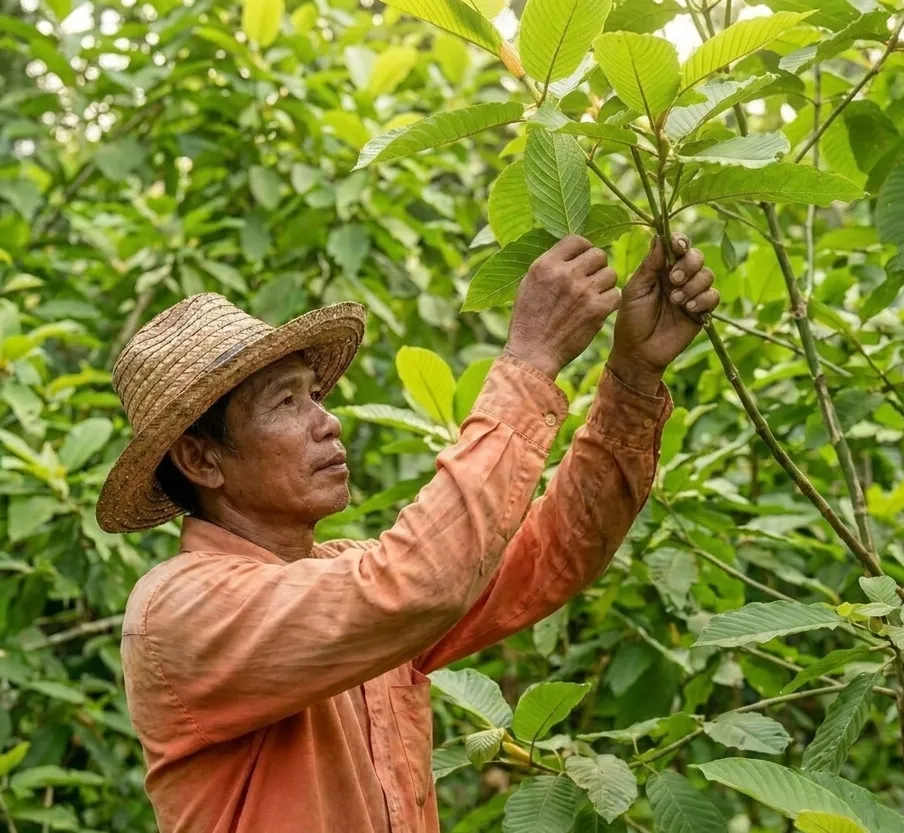
The Kapuas basin is one of the few places on earth where Mitragyna speciosa grows natively at commercial density. Consistent rainfall, humid tropical air and the acidic alluvial soil along the river corridor are the conditions the tree evolved in. Growing where the tree belongs, rather than in a transplanted plantation, means mature leaf and a stable alkaloid composition, harvest after harvest.
Why terroir matters to a buyer
A single, consistent growing environment is what lets a producer hold the same alkaloid composition across batches. Leaf pooled from scattered, unknown sources cannot offer that, which is why blended material drifts from one lot to the next.
The chain we control, leaf to container
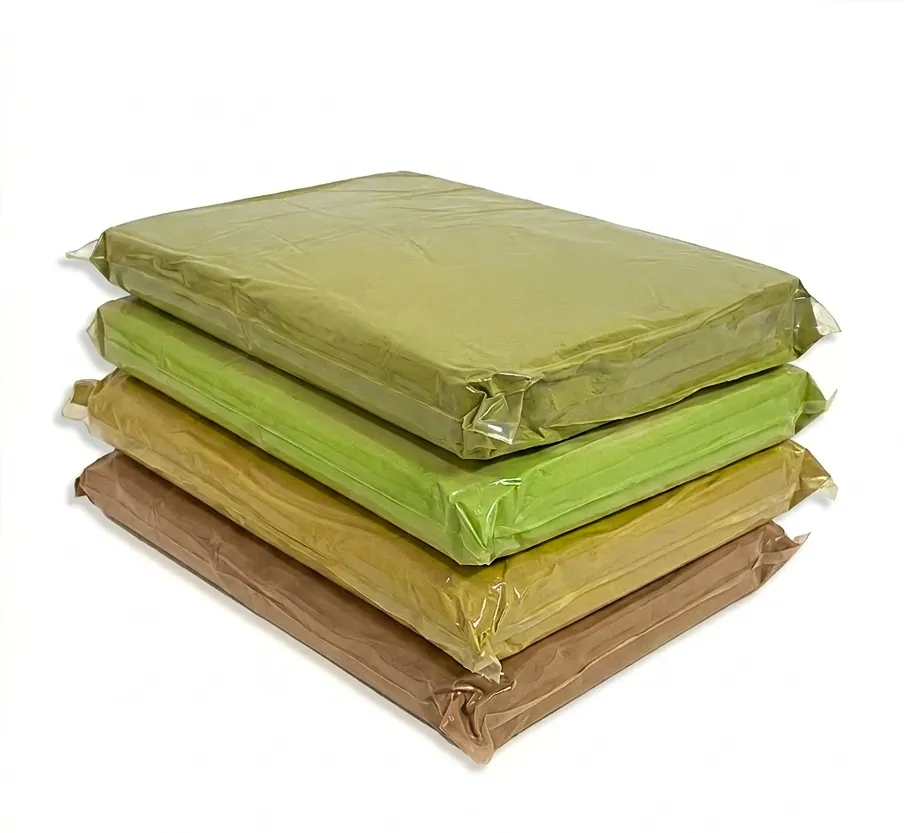
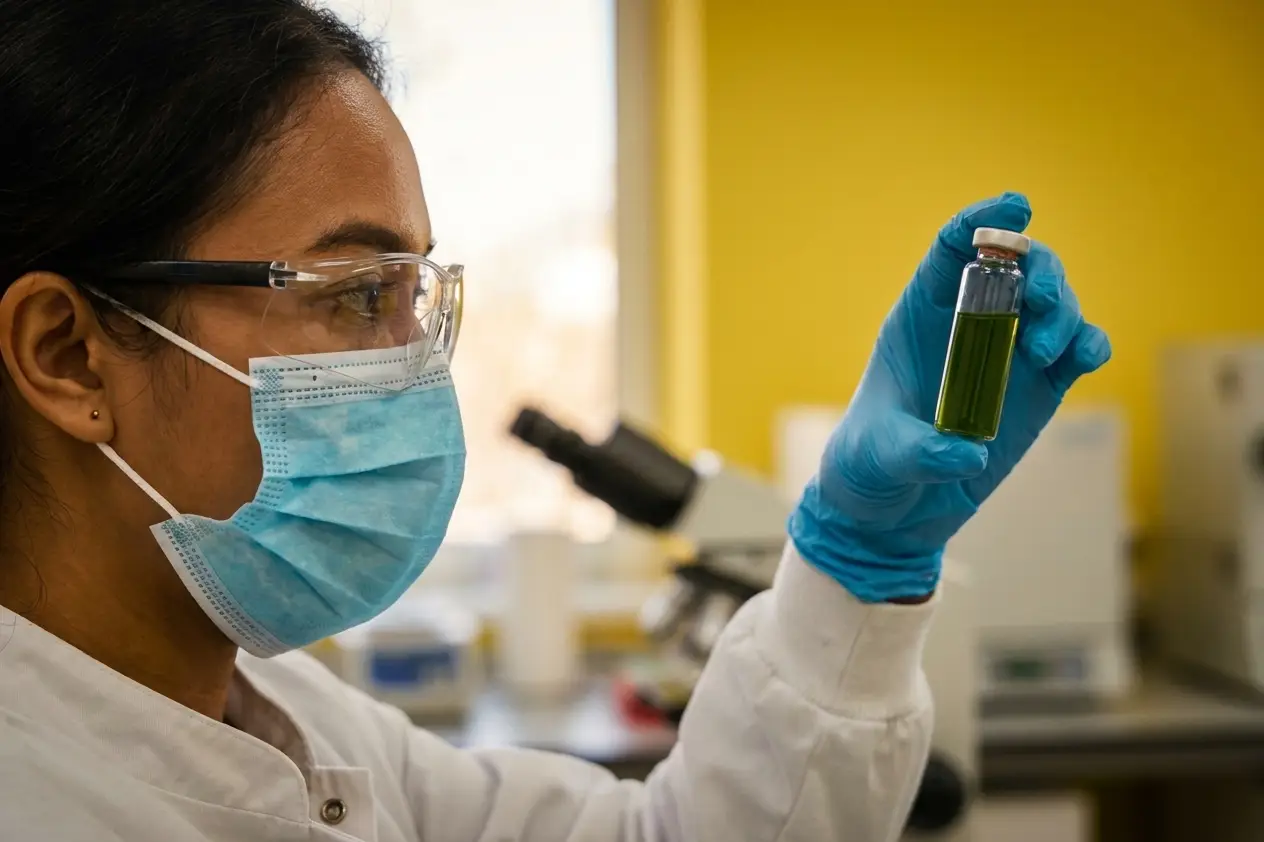
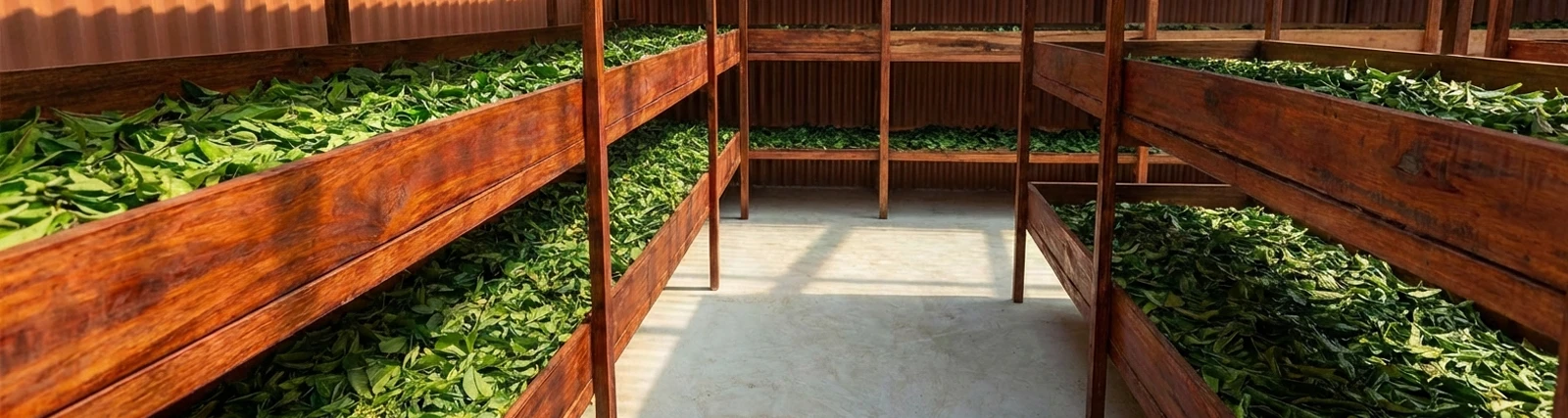
Single-origin only holds if one party is accountable for every step. Partner farmers manage dedicated cultivation areas; we run our own drying and milling; we test each export lot; and we prepare the export documentation ourselves. There are no collectors, no brokers and no re-bagging between the field and the container. That is the difference between a supply chain you can describe in specifics and one that ends at "we source from good farms."
| Factor | Single-origin, direct from farm | Collector-aggregated leaf |
|---|---|---|
| Traceability | Batch number from parcel to pallet | Pooled; true origin unknown |
| Consistency | Held per vein, batch to batch | Drifts with each mixed lot |
| Contamination control | One accountable facility | Inherits every source's risk |
| Adulteration risk | Controlled at source | Hard to detect in a blend |
| Accountability | One party, leaf to container | Diffused across the chain |
How traceability actually works here
Every lot carries a batch number that runs from the farm parcel through drying, milling and testing to the pallet that ships. If you ever need to trace a shipment back, there is a real chain to follow rather than a shrug. That same chain is what makes a certificate of analysis meaningful: a COA is only as trustworthy as the batch it can be tied to, and you cannot tie a certificate to a pile of leaf from a dozen unknown farms.
The problem single-origin solves
The trader-aggregator field has documented, repeatable failure points, and they are exactly the ones that get a shipment rejected in Europe. Re-bagged collector leaf of unknown origin makes contamination impossible to isolate: when leaf from dozens of sources is pooled, one careless supplier taints the whole batch and no test on the blended pile can tell you whose leaf failed. Adulteration is a known problem too, with cheaper non-kratom leaf blended in for weight, a practice Indonesia's own export regulation bans by name. And leaf dried in the open, on the ground, picks up the heavy metals and microbial load that later show up on an arrival test.
What you cannot verify in blended, re-bagged leaf
Where it actually grew, how it was dried, whether it is pure kratom, and whose contamination you have inherited. Single-origin material produced in one facility answers all four, because nothing was pooled and nothing was hidden.
The people and the forest behind the leaf
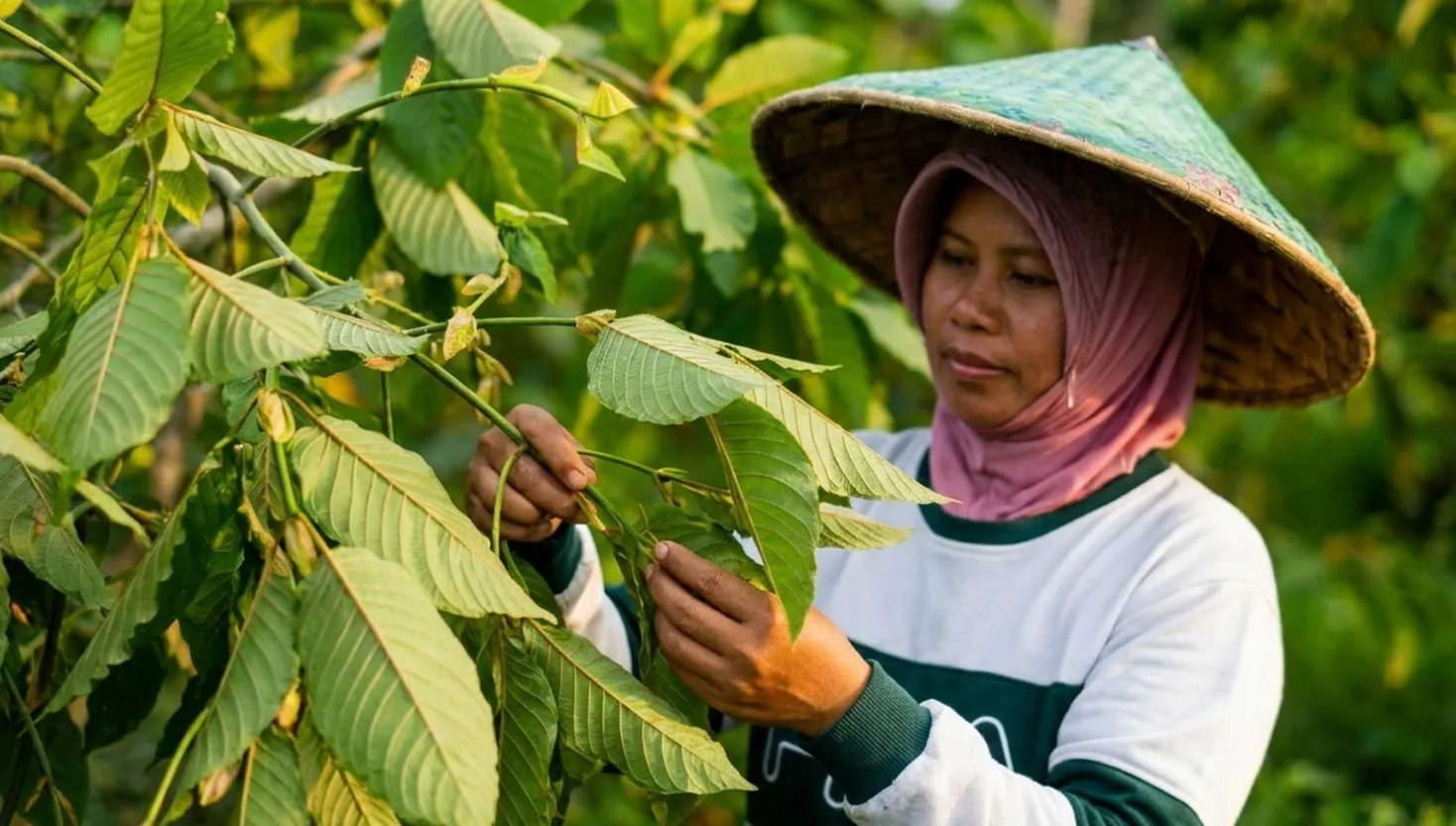
Direct sourcing is also a relationship, not a spot purchase. We work with farming families across Kapuas Hulu on long-term terms, with selective harvesting from mature trees that keeps the forest standing rather than clear-cut. Buying direct from the people who grow the leaf, and selling direct to European buyers, keeps more of the value with the communities who make the crop possible, and it is the reason those farmers keep their best leaf for us. You can read more of that story on our About page.
Why single-origin matters for your business
For a distributor or private-label brand, single-origin turns into three concrete advantages. Consistency you can actually promise, because the alkaloid composition holds from one order to the next. A clean COA tied to a real, traceable lot, not a generic PDF. And a provenance story you can pass to your own customers: "single-origin, direct from the producer in Kapuas Hulu" is a line your marketing can use with a straight face, because it is true and it can be traced. In a market where trust is the scarce commodity, that is worth more than a cent or two off the kilo.
You cannot certify what you cannot trace. Single-origin is simply traceability you can hand to your customer.
Frequently asked questions
What is single-origin kratom?
Single-origin kratom comes from one defined growing area and is kept as its own identifiable lot, with a batch number, rather than pooled and blended with leaf from many unknown sources. It is the basis for traceability and batch-to-batch consistency.
Why does origin matter for wholesale buyers?
Because you can only trace, repeat and stand behind a batch you can identify. Blended, re-bagged leaf hides its origin, its drying conditions and its contamination, which is what gets shipments rejected on arrival. Single-origin material lets you and your customers verify what you are buying.
How is your kratom traceable?
Every lot carries a batch number that runs from the farm parcel through our own drying, milling and testing to the pallet. Because one party controls the whole chain, there is a real record to follow, and the COA ties to a specific batch rather than a generic sample.
How do you prevent adulteration?
Adulteration, blending cheaper non-kratom leaf in for weight, is only possible when material is pooled and untraceable. Because we control cultivation, drying and milling in one facility and keep lots single-origin, there is no anonymous pile in which to hide it.
Is single-origin kratom more consistent than blended?
Yes. A single growing environment and controlled processing let a producer hold the same alkaloid composition per vein across batches. Blended material averages many sources together, so its profile drifts from lot to lot, which is difficult to build a stable product on.
Where is your kratom grown?
In Kapuas Hulu, West Kalimantan, one of the few regions where the tree grows natively at commercial density. We work directly with farming families there and handle drying, milling and export from our own facility in the region.
If provenance matters to your customers, it should matter in your supply chain first. Ask a prospective supplier to trace a batch back to where it grew; a single-origin producer can, and a re-bagger cannot. When you want to see how ours works, put us through your checklist or ask for a sample.