
Last reviewed: June 2026 · Written by the Kratom Factory production team in Putussibau, Kapuas Hulu.
Ask ten buyers what separates a white from a red and you will get ten answers, and most of them will be wrong in the same way. Kratom vein colors are treated in the trade as if they were varieties, cultivars, even separate plants. They are not. Almost everything sold as a distinct kratom strain comes off the same species, Mitragyna speciosa, and usually off the same trees. What changes the powder in your sack is leaf maturity, when it was picked, and how it was dried and post-processed. This reference explains kratom strains the way the botany and the chemistry actually work, so an experienced seller can describe the full range to their customers accurately and stay on the right side of a compliance review.
Why "strain" mostly means processing, not species
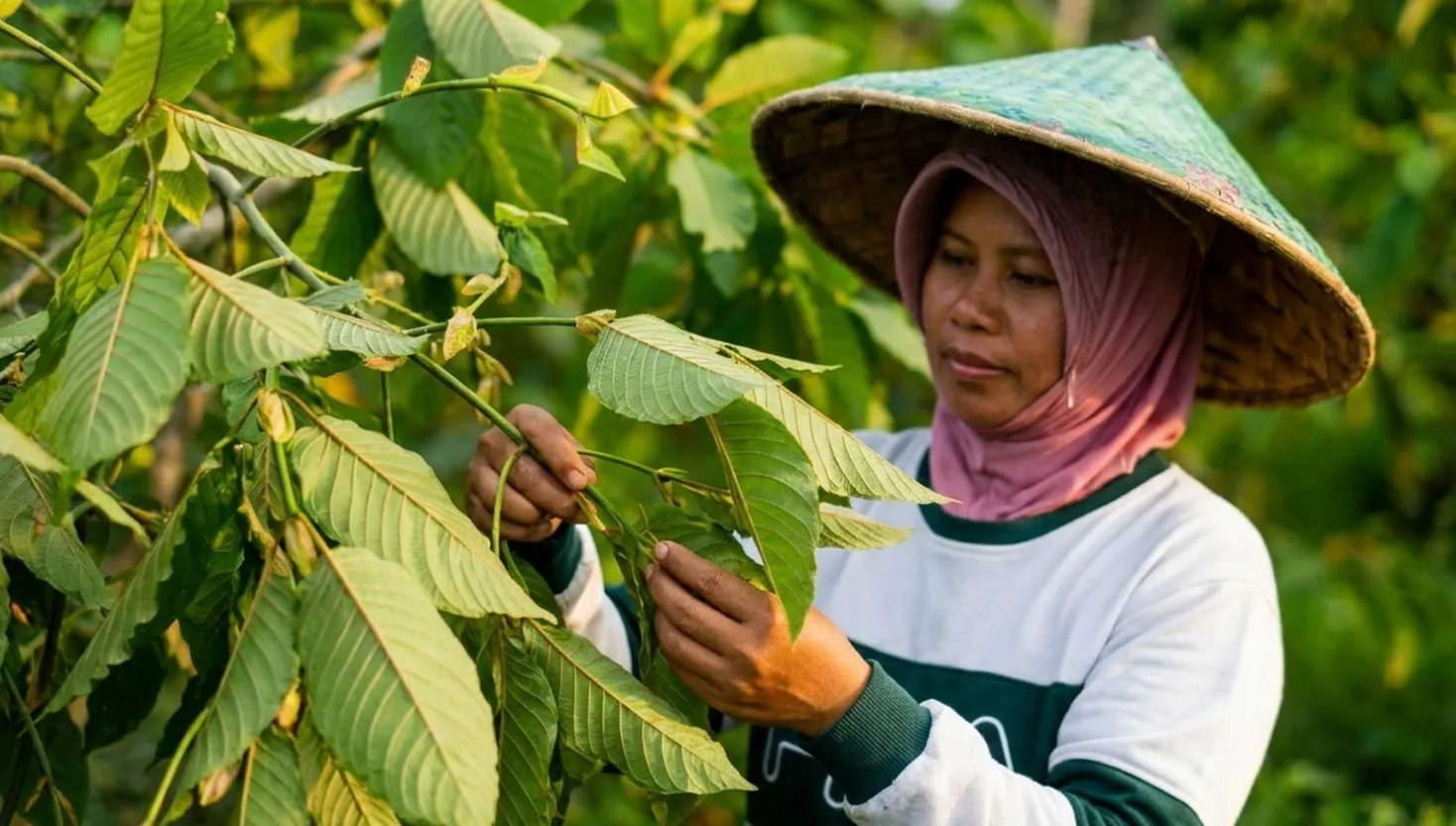
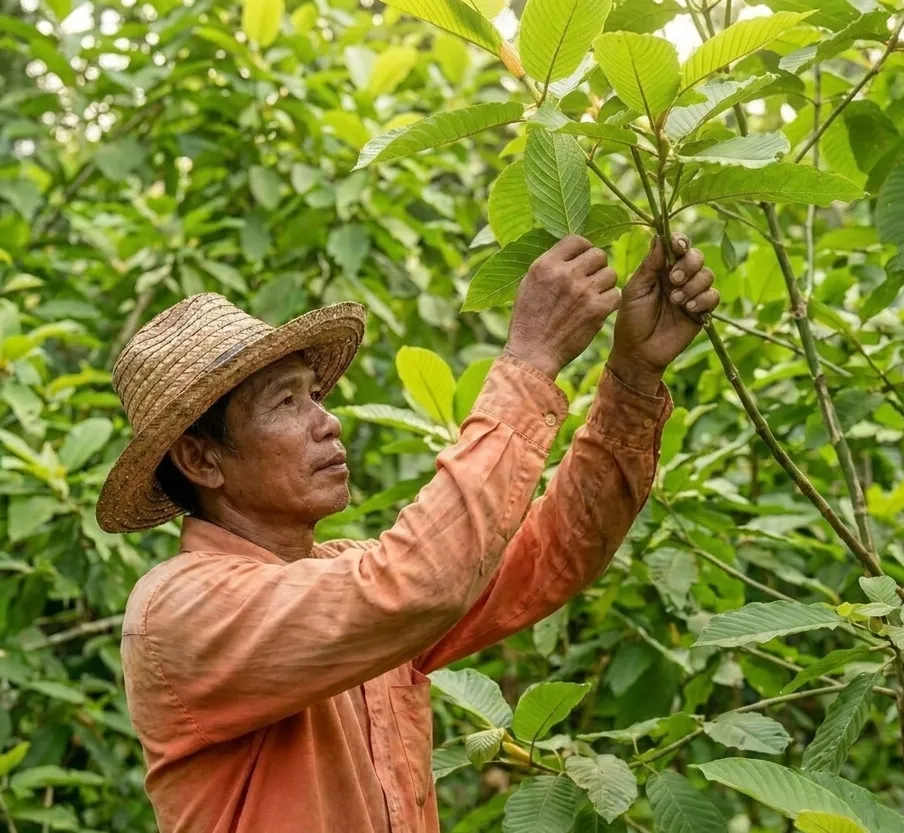
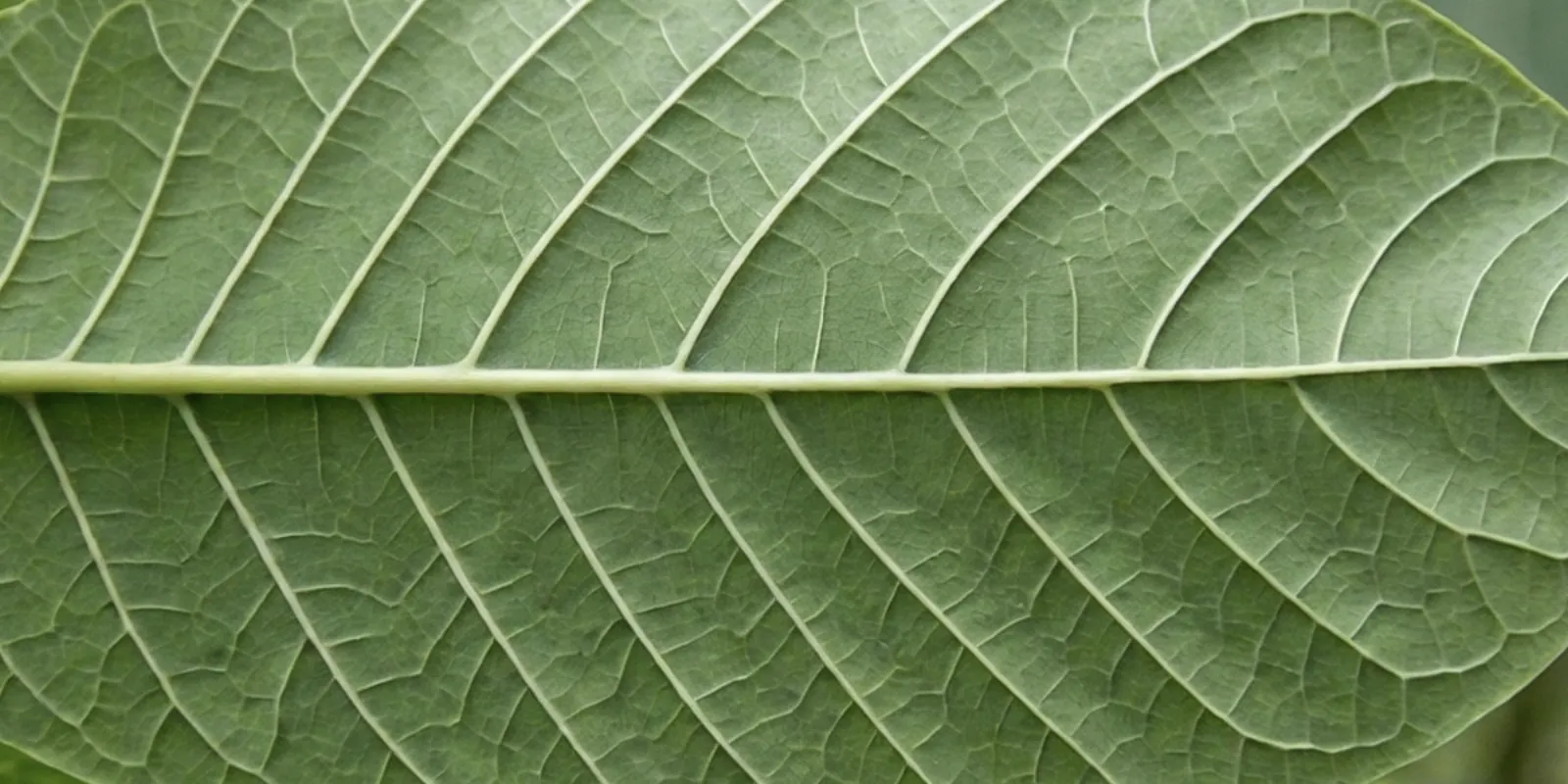
The single most useful thing to understand about kratom vein colors is that they are not genetics. There is one commercial species, Mitragyna speciosa, and the trees growing across Kapuas Hulu are not sorted into "white trees" and "red trees." A single tree yields leaf that can become white, green or red depending on which leaves are picked and what happens after they are cut. So when a catalogue lists a dozen strains, it is describing a dozen combinations of three variables, not a dozen plants.
Those three variables are leaf maturity, harvest timing, and post-harvest processing, chiefly drying. Younger leaf from the upper canopy carries a different alkaloid balance than mature leaf lower down. A leaf picked in the cool morning and dried in shade drifts differently than the same leaf left in full sun. The name on the bag is shorthand for that recipe. Region plays a smaller role than most listings imply: "Borneo" or "Sumatra" on a label often signals a processing style associated with an area rather than a hard botanical difference, and the same style can be reproduced elsewhere. The honest way to read a strain name is as a processing and maturity descriptor, backed by the alkaloid numbers on the COA, not as a origin guarantee.
The one-line version for your storefront
Vein colour describes how the leaf was grown and processed, not a separate plant. White, green and red are points on a maturity-and-drying scale, and the alkaloid composition on the certificate of analysis is the objective way to compare them.
The four vein colours, by botany and processing
Here is the range as a producer sees it: what leaf goes in, how it is handled, and how that reads as chemistry on a lab report. Note that every description below is about the leaf and the process. The measurable output is the ratio of mitragynine, the dominant alkaloid, to 7-hydroxymitragynine (7-OH) and the minor alkaloids, which is what a certificate of analysis quantifies.
White vein
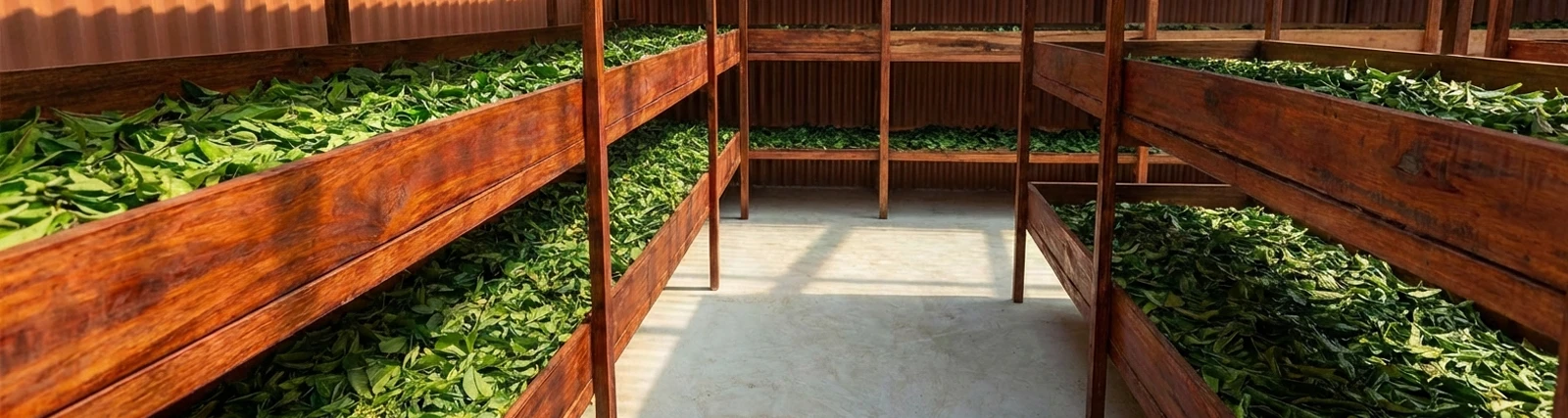
White comes from younger leaf, often upper-canopy, picked earlier in the maturity window. It is typically dried indoors in shade with minimal UV exposure, sometimes with airflow to pull moisture down slowly. Because UV and heat are kept low, less mitragynine converts, so the profile tends to sit at comparatively high mitragynine and low 7-OH. That stable, high-mitragynine chemistry is the signature buyers associate with white-vein material, and it is why white styles read the way they do on a panel.
Green vein
Green sits in the middle. It uses mid-maturity leaf and a partial-sun drying method: a few hours of morning sun on raised racks, then indoors to finish. The short, controlled UV nudges some mitragynine toward 7-OH without pushing the balance all the way over. The result is the intermediate composition that defines a standard green. Many of the most-ordered lines, including green regional styles, are variations on this partial-sun profile.
Red vein
Red uses the most mature leaf, dried in full sun for one to three days, and sometimes given a controlled fermentation step. More UV, more heat and, where fermentation is used, microbial action shift the balance further, so the profile carries relatively more 7-OH and transformed alkaloids than a white off the same tree. This is processing, not a different species or a fixed region. You can see the same logic across red-vein material such as red regional lines.
Yellow vein
Yellow is the category that most exposes the "strain is processing" point, because there is no yellow-veined tree. Yellow is generally produced one of two ways: an extended or specialised drying of green or red leaf, or a deliberate blend of vein types. Either route lands the alkaloid profile between the others. Treat yellow on your storefront as a processing-defined category and, again, let the COA describe it rather than implying a distinct botanical origin.
Reference table: the four vein categories
A compact comparison you can adapt. Every column is botany, processing or measured chemistry, nothing about use.
| Vein category | Leaf maturity | Typical processing | Alkaloid tendency (mitragynine : 7-OH) | What the name signals |
|---|---|---|---|---|
| White | Younger, upper canopy | Shaded indoor drying, low UV | Higher mitragynine, lower 7-OH | Earlier harvest, gentle drying |
| Green | Mid-maturity | Partial sun, then indoors | Intermediate ratio | Balanced maturity and drying |
| Red | Mature | Full sun 1–3 days, optional ferment | Relatively more 7-OH / transformed alkaloids | Later harvest, higher UV or ferment |
| Yellow | Varies (green/red base) | Extended drying or a blend | Between the others | A processing or blending choice |
Maeng Da: a grade, not an origin
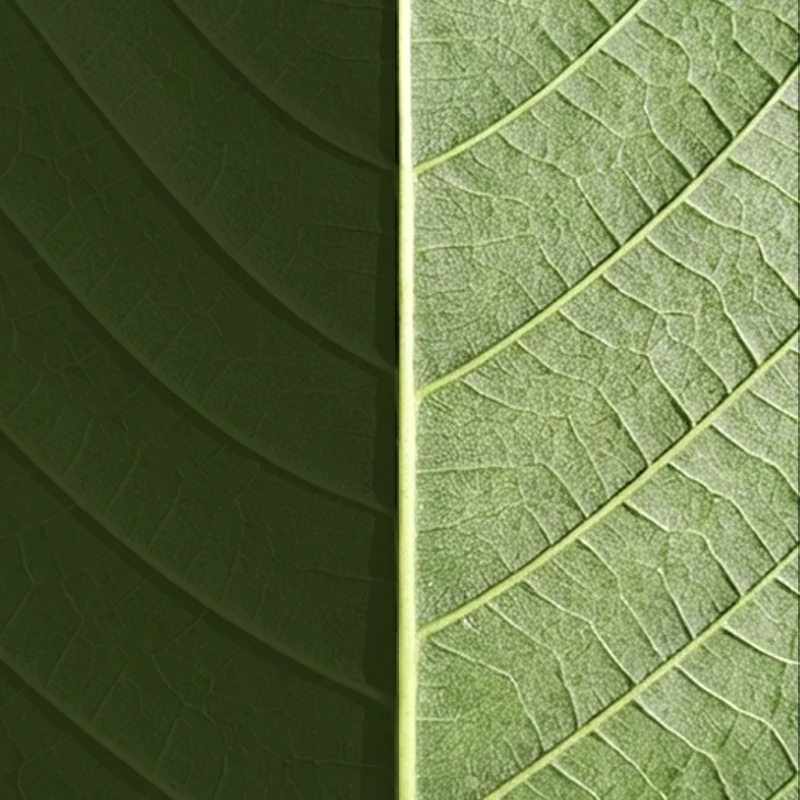
Maeng Da causes more confusion than any other term on a kratom shelf, so it is worth stating plainly: Maeng Da is a grade designation, not a place, a species or a vein colour of its own. The phrase translates loosely from Thai as "pimp grade," market slang that came to mean a selected, higher-grade leaf. There is no Maeng Da tree and no Maeng Da region. In practice it describes leaf selected for a stronger alkaloid reading, then processed as a white, green or red, which is why you see green Maeng Da alongside white and red versions.
For your catalogue, the useful framing is that Maeng Da is a quality tier applied on top of a vein colour, defined by the alkaloid numbers rather than by any origin story. If a supplier cannot show you a COA where the Maeng Da line actually reads higher on mitragynine than their standard line, the word is decoration. When you describe it to your customers, tie it to the measured composition and the vein it was processed as, not to a mythical single farm.
A compliance note on strain names
Strain and grade names are trade shorthand, not regulated terms, and they carry no guarantee of origin or content on their own. This section is general information, not legal advice: describe your range by botany, processing and lab-verified alkaloid composition, and verify any claim you repeat about a product against the actual COA for that lot.
Bentuangie and fermented styles
Bentuangie is the clearest example of a category defined entirely by post-harvest processing. It is a fermented style: mature leaf is held in a controlled, sealed environment so microbial activity works on it before or during drying, then finished. That fermentation transforms the alkaloid profile in a way sun-drying alone does not, which is why Bentuangie reads distinctly on a panel despite coming from the same species as every other line.
The takeaway for a sourcing reference is that fermentation is a deliberate, describable step, not a mystery. A producer who runs a Bentuangie or other fermented line should be able to tell you how the ferment is controlled, because uncontrolled fermentation is just spoilage, and spoilage shows up as mould and elevated microbial counts on the COA. As with vein colour, drying and fermentation are where the category is actually made. Our note on how drying sets the vein walks through that mechanism in more detail.
How to describe the range to your customers, compliantly
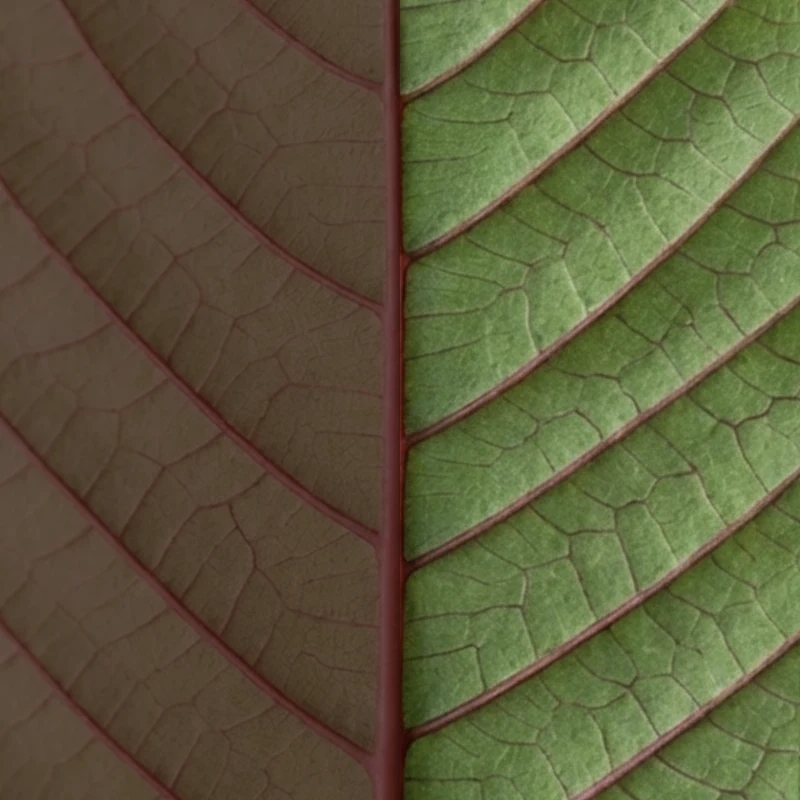
Because you are reselling into a regulated market, how you describe kratom strains matters as much as what you stock. The safe and accurate frame is the botanical one used throughout this reference. Describe each line by three things and nothing else:
- The leaf: species (Mitragyna speciosa), maturity, and where relevant the canopy position.
- The processing: drying method (shaded, partial sun, full sun), and whether a fermentation step is used.
- The chemistry: the alkaloid composition from the COA, expressed as mitragynine content and the ratio to 7-OH and minor alkaloids.
Kept to those three, your product copy stays factual and verifiable. Avoid framing that drifts into how a product is used or what it does; that is where compliance problems start, and it is unnecessary, because the botany and chemistry already differentiate the range. Vein colour and grade are legitimate shorthand as long as you anchor them to maturity, processing and lab numbers. This is also good commercial practice: a buyer who describes their catalogue in measurable terms is easier to trust than one leaning on adjectives.
Turn the vein into a spec, not a story
Replace "our reds are the strongest" with "red vein, mature leaf, sun-dried, mitragynine and 7-OH per the attached COA." The second version is compliant, defensible, and reads as more professional to a serious customer.
Matching veins to your catalogue
Once the framework is clear, building a range is straightforward. Most European storefronts carry a spread across the four vein categories plus one or two grade or fermented lines, so their customers can compare profiles. If you are structuring your own catalogue, the vein filters on our product range mirror the categories in this reference: white, green, red and yellow, with grade and fermented lines called out by their processing.
Because our cultivation, drying and milling sit in-house, we can hold a given vein profile lot after lot and, where a buyer wants it, tune a drying or fermentation profile to a target alkaloid composition. If you are planning a range or a private-label line and want to match specific profiles to your market, our wholesale team can map your catalogue to lots we can reproduce consistently. That reproducibility, not any single impressive sack, is what lets you describe a strain to your customers and deliver the same thing next quarter.
A strain name is a promise about maturity, drying and chemistry. A producer who controls all three can keep it; a re-bagger is guessing.
Frequently asked questions
Are kratom vein colors different plants?
No. White, green and red all come from one species, Mitragyna speciosa, usually the same trees. The colour reflects leaf maturity, harvest timing and drying method, which together set the alkaloid composition measured on the certificate of analysis. It is a processing category, not a botanical variety.
What actually makes white, green and red vein different?
Leaf maturity and drying. White uses younger leaf dried in shade, keeping mitragynine high and 7-OH low. Green uses mid-maturity leaf with partial sun. Red uses mature leaf, full sun and sometimes fermentation, which shifts the alkaloid ratio further. The differences are chemistry a lab quantifies.
Is Maeng Da a region or a strain?
Neither. Maeng Da is a grade designation, roughly "top grade" in origin, applied to leaf selected for a stronger alkaloid reading and then processed as a white, green or red. There is no Maeng Da tree or region. Judge it by the mitragynine content on the COA, not the name.
What is Bentuangie kratom?
Bentuangie is a fermented style, not a species or place. Mature leaf is held in a controlled, sealed environment so microbial activity works on it before or during drying. That ferment transforms the alkaloid profile, so Bentuangie reads distinctly on a panel. Controlled fermentation is the key; uncontrolled fermentation is spoilage.
Does region determine the strain?
Less than most labels imply. A region name often signals a processing style associated with an area rather than a hard botanical difference, and the same style can be reproduced elsewhere. Leaf maturity and drying do most of the work, which is why the alkaloid composition on the COA is the objective comparison.
How should I describe strains in my own catalogue?
By leaf, processing and chemistry: species and maturity, drying method, and the alkaloid composition from the COA. Keep vein and grade names as shorthand anchored to those facts. You can align your range to reproducible lots through our wholesale team.
Vein colour and strain names are useful, as long as everyone remembers what they actually describe: a leaf at a given maturity, dried a given way, with an alkaloid profile you can put on a certificate. Build your catalogue on that, and you can explain the whole range to your customers without a single claim you cannot back up. Compare the categories on our product page when you are ready to source.